Starlink just pushed its Mini back into the spotlight. The official Starlink account posted a reminder this week that the compact dish keeps users connected to high-speed internet wherever they go — and with a price that's dropped sharply since launch, the timing makes sense. Here's what the hardware actually delivers.

1. The Price Has Fallen Significantly Since Launch
The Starlink Mini Kit launched at $499–$599. It dropped to $299 in October 2025, and the current U.S. price is $199 — or $16/month for 12 months if you'd rather finance it. That's a meaningful shift for a device that was initially positioned as a premium portable option. Availability extends beyond the U.S. to Canada, Australia, Japan, and other regions, and it's stocked at major U.S. retailers including Best Buy, Walmart, Home Depot, and Target.
2. It's Genuinely Backpack-Portable
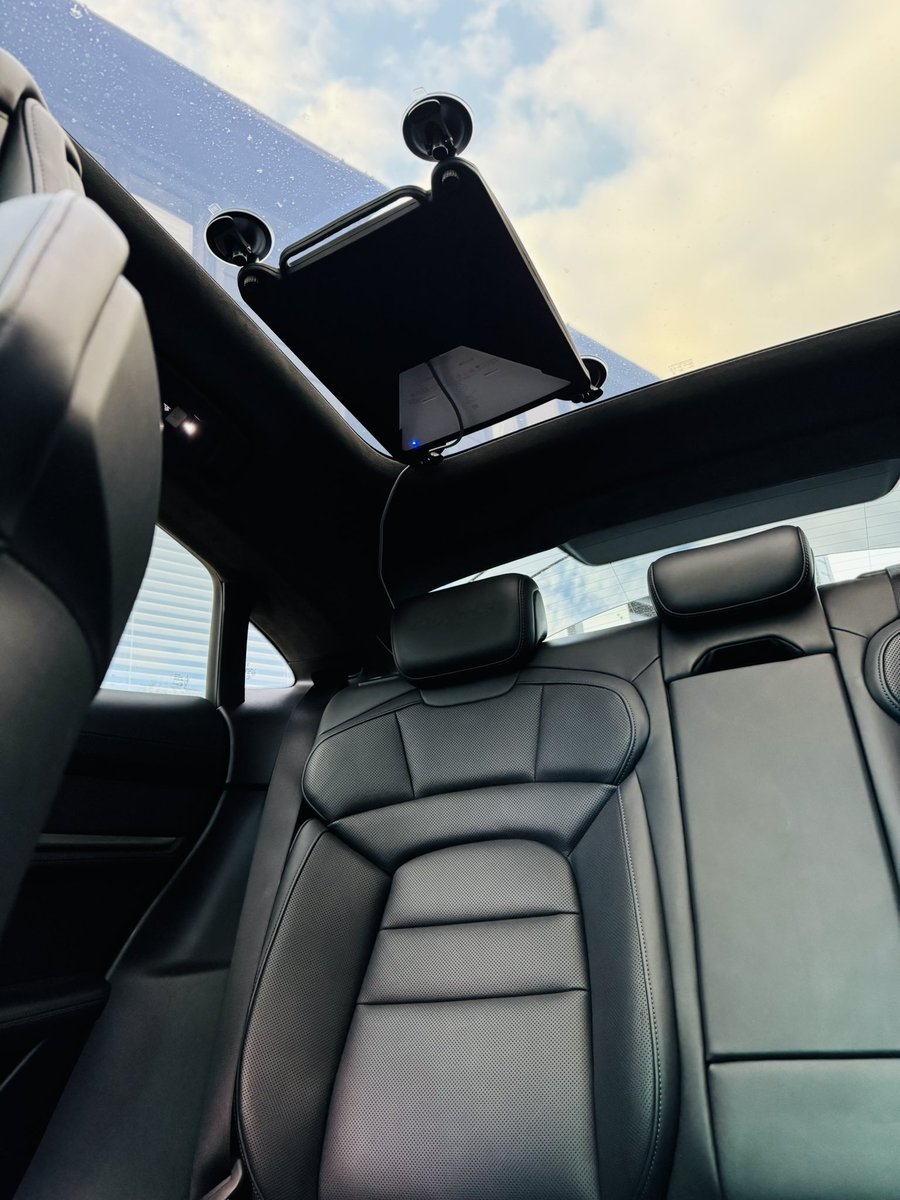
The dish measures 298.5 × 259 × 38.5 mm and weighs 1.10 kg (2.4 lb) without the kickstand. That's small enough to slide into most day packs. It deploys in minutes and creates a Wi-Fi hotspot covering up to 112 m² (1,200 ft²), connecting up to 128 devices over Wi-Fi 5 (802.11a/b/g/n/ac). There's also a single Latching Ethernet LAN port for wired connections.
3. Real-World Speeds Land Between 100–200 Mbps
Starlink advertises speeds of 300+ Mbps, but according to independent testing, real-world performance typically ranges from 100–200 Mbps depending on satellite coverage and local conditions. Average power draw sits at 25–40W, which is manageable for battery-powered setups in the field. For most remote work, video calls, or streaming use cases, that's more than enough headroom.
4. It's Built for Harsh Conditions
The Mini carries an IP67 rating — fully dust-tight and submersible in up to 1 meter of water for 30 minutes. It operates in winds exceeding 96 kph (60 mph) and handles temperatures from -30°C to 50°C (-22°F to 122°F). Whether you're on a boat, at a remote job site, or camping above the treeline, the hardware is rated for it.
5. Portable Use Requires a Roam Plan
The hardware cost is only part of the equation. Using the Mini on the move requires a Roam service plan, which starts at $55/month for 100 GB of data. Higher tiers run $80/month for 300 GB or $175/month for unlimited. These are separate from the standard Residential plans, so factor the ongoing service cost into any purchase decision.
6. New Residential Max Subscribers Can Get a Free Mini Rental
As of August 9, 2026, SpaceX reinstated a promotion that gives new customers subscribing to the top-tier Residential Max plan in the U.S. and Canada a free Starlink Mini rental — plus a 50% discount on mobile Roam plans. This perk had been removed in June before being brought back. If you're already considering the Residential Max tier, it's worth timing your signup to take advantage of it.
The Mini's core pitch hasn't changed since launch — satellite internet that fits in a bag — but the combination of a lower kit price, a reinstated free-rental promotion, and wider retail availability makes the current moment a more practical entry point than it's been before. The ongoing Roam plan cost remains the main variable to weigh against your actual usage needs.
Sources & reporting notes
The links below identify the material source records used for this report.
- @Starlink on X (2026-08-31T19:24:10.000Z) — Direct source
Source links are preserved as published or accessed. See our editorial standards and corrections policy.
The BASENOR Editorial Desk covers Tesla, SpaceX, and related technology, curating reporting from primary sources — official accounts, regulatory filings, and software release data. Every article passes source-record and fact-checking review before publication. About the newsroom.
This report was curated by the BASENOR Editorial Desk from the sources listed above. Read our editorial standards or email editorial@basenor.com to report an error.