30-Second Brief
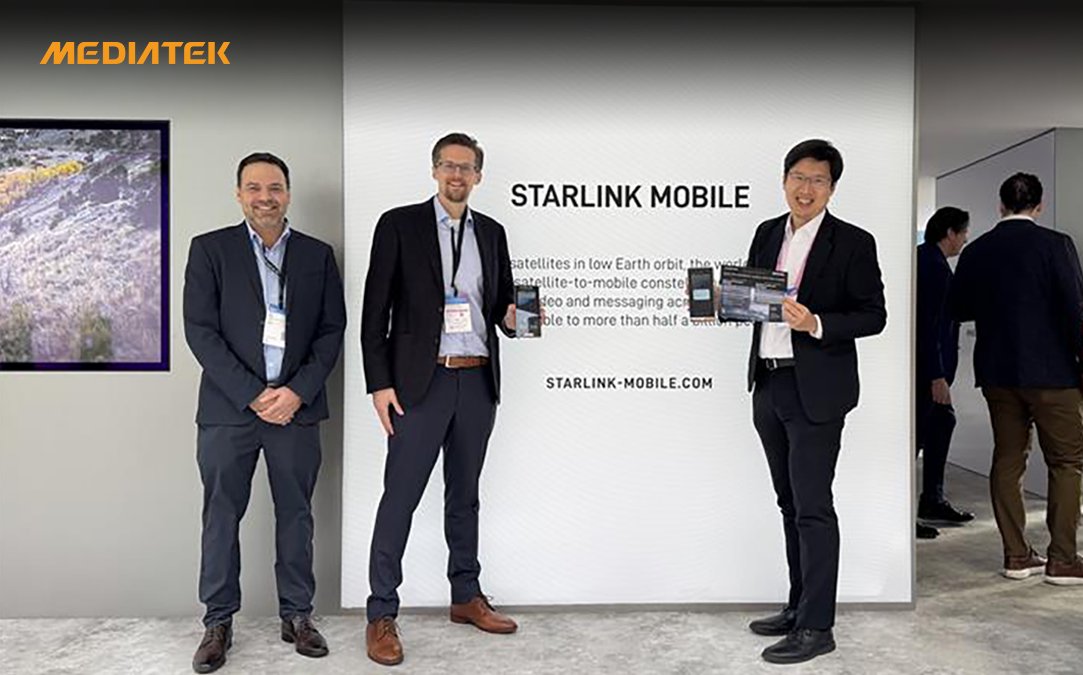
The News: Starlink Mobile has begun testing wireless emergency alerts in Europe this week, using S-band satellite spectrum in a partnership with MediaTek.
Why It Matters: Emergency alert delivery via satellite means coverage reaches people even when terrestrial networks are down — a capability that has already proven its value in crisis situations globally.
Source: @michaelnicollsx on X
Starlink Mobile Brings Satellite Emergency Alerts to Europe
Starlink Mobile has taken a meaningful step toward becoming a genuine safety infrastructure layer in Europe. As of this week, SpaceX and MediaTek have begun testing wireless emergency alerts delivered over S-band satellite spectrum — a capability that has already demonstrated serious real-world impact during emergencies in other markets.
The announcement came directly from Michael Nicolls, a key figure in SpaceX's satellite communications work, confirming the testing is live and active.

📊 Key Figures
| Metric | Detail | Context |
|---|---|---|
| Spectrum Band | S-band | Enables direct-to-device satellite communication without ground relay |
| Region | Europe | First European testing phase; specific countries not yet disclosed |
| Hardware Partner | MediaTek | MediaTek chipsets power a large share of Android devices globally |
| Status | Active testing | Testing began this week per official confirmation |
🔭 The BASENOR Take
Timeline: Testing began the week of March 4, 2026. Commercial rollout timeline not yet announced.
Impact Level: 🔴 High — Emergency alert infrastructure is a public safety baseline, not a premium feature.
Confidence: ✅ Confirmed — Announced directly by a SpaceX satellite communications leader and corroborated by SpaceX/MediaTek partnership confirmation.
Why S-Band and Why MediaTek?
S-band spectrum sits in a frequency range that balances atmospheric penetration with the ability to reach standard mobile devices without specialized hardware. This is the same general approach used by other satellite-to-device emergency systems — but Starlink's scale and constellation density give it a structural advantage in coverage continuity.
The MediaTek partnership is strategically significant. MediaTek's chipsets are embedded in a vast share of the global Android device ecosystem, particularly across Europe and Asia. By integrating Starlink Mobile's emergency alert capability at the chipset level, SpaceX can reach users on existing hardware — no new phone required. That's the difference between a niche product and a genuine infrastructure layer.
What This Means for Tesla Owners in Europe
Tesla vehicles increasingly rely on connectivity for real-time navigation, over-the-air updates, and in-car emergency features. As SpaceX's Starlink Mobile ecosystem matures — particularly with direct-to-device emergency alerting — the potential integration points with Tesla's own vehicle connectivity stack become more relevant.
More immediately, Tesla owners who use Starlink at home or in mobile setups stand to benefit from a more resilient alert infrastructure. In scenarios where regional cellular networks are overwhelmed or damaged — floods, earthquakes, large-scale power outages — satellite-delivered emergency alerts could be the only reliable channel reaching people in affected areas.
Starlink Mobile has already been cited as a critical communications tool during emergency situations in other markets. Bringing that same capability to Europe, with the hardware reach that MediaTek enables, is a meaningful expansion of what satellite connectivity can do at a population scale. For our full SpaceX coverage, including Starlink developments that affect the broader Tesla ecosystem, check the dedicated tag.
📰 Deep Dive
The framing in Nicolls' announcement is worth noting: he describes this as a "hugely impactful capability" during emergency situations — past tense, referencing real deployments elsewhere. This isn't theoretical. Starlink Mobile's emergency alert function has already been stress-tested in crisis conditions, and Europe is now entering the testing phase with that operational track record behind it.
The choice to test in Europe first — rather than expanding existing deployments — likely reflects the regulatory environment. European spectrum regulators and emergency services agencies have specific certification requirements for wireless emergency alert systems. The S-band testing phase is almost certainly running in parallel with regulatory engagement across multiple EU member states and the UK.
MediaTek's role deserves more attention than it typically gets in these announcements. The company's dominance in mid-range and budget Android chipsets means that if Starlink Mobile emergency alerts are certified and enabled at the chipset level, the addressable device base is enormous — potentially hundreds of millions of handsets already in circulation across Europe. That's a deployment pathway that doesn't depend on users upgrading their hardware or installing a new app.
The broader trajectory here is clear: SpaceX is systematically building Starlink Mobile into a public safety utility, not just a connectivity product. Emergency alerting is the most defensible use case in the satellite-to-device space — it's the one capability that regulators, governments, and consumers all agree should exist. Establishing that foundation in Europe positions Starlink Mobile for deeper integration with national emergency management systems over time.
Sources & reporting notes
The links below identify the material source records used for this report.
- @michaelnicollsx on X (2026-03-04T08:32:43.000Z) — Direct source
Source links are preserved as published or accessed. See our editorial standards and corrections policy.
The BASENOR Editorial Desk covers Tesla, SpaceX, and related technology, curating reporting from primary sources — official accounts, regulatory filings, and software release data. Every article passes source-record and fact-checking review before publication. About the newsroom.
This report was curated by the BASENOR Editorial Desk from the sources listed above. Read our editorial standards or email editorial@basenor.com to report an error.