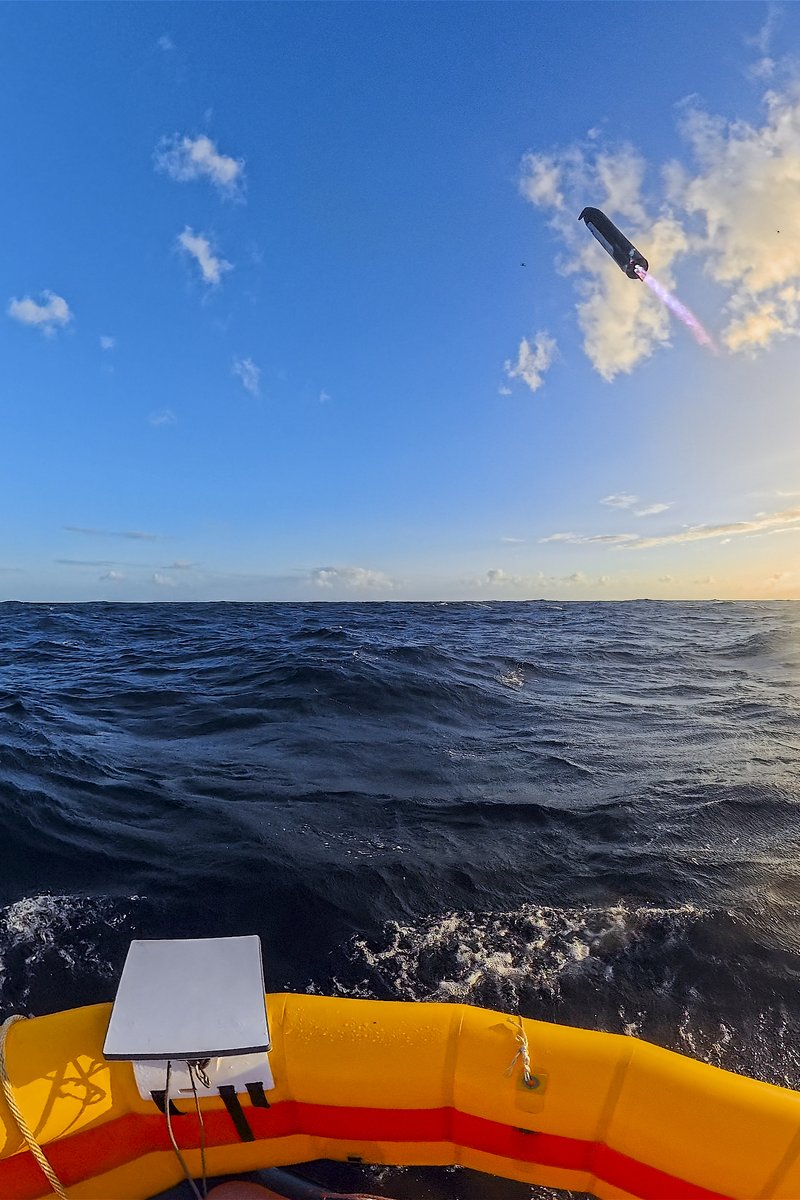
Elon Musk posted a simple, four-word assertion on Wednesday night: Starlink works even in the middle of nowhere. Attached was a video apparently shot in a remote location with a live connection. The post is brief, but the data behind it is not — and for anyone evaluating satellite internet as a serious option, the 2026 numbers are worth understanding.

What the Coverage Actually Looks Like
As of May 2026, Starlink lists active consumer service in 166 countries and territories, with another 42 countries scheduled to come online before year's end, according to Starlink's official website. In the United States, the network covers over 99% of the country. Globally, the subscriber base crossed 10 million by early 2026 — a figure that reflects genuine adoption, not just availability.
The satellite count underpinning that coverage is substantial. By February 2026, SpaceX had over 10,000 satellites in orbit. The newer Generation 3 (V3) satellites are meaningfully more powerful than earlier hardware, and their deployment has contributed directly to the performance improvements seen in recent speed data.
The Performance Numbers
Remote coverage is only useful if the connection is fast enough to matter. According to Ookla speed test data, median download speeds in the U.S. exceeded 100 Mbps in every state except Alaska in the second half of 2025. European markets measured a median of 165.71 Mbps across 27 countries in Q1 2026. In lower-density rural areas with less network congestion, users regularly report 200 to 400 Mbps downloads.
| Metric | Typical Range (2026) | Notes |
|---|---|---|
| Download Speed | 25 – 220 Mbps | Majority exceed 100 Mbps in the U.S. |
| Upload Speed | 10 – 30 Mbps | ~50% improvement over 2024 |
| Latency (land) | 25 – 60 ms | 100+ ms in oceans, Antarctica, Alaska |
| Satellites in orbit | 10,000+ | As of February 2026 |
| Global subscribers | 10 million+ | As of early 2026 |
Upload speeds, often the weak point of satellite connections, have improved to a typical range of 10 to 30 Mbps — roughly a 50% gain over 2024 figures, according to broadband tracking data. Latency on land sits between 25 and 60 milliseconds, which is competitive with many fixed rural broadband options and a significant step beyond traditional geostationary satellite services that typically run 600 ms or higher.
Where It Still Struggles
The honest caveat is that truly extreme locations — open oceans, Antarctica, Alaska, northern Canada — still see latency above 100 ms and more variable speeds. In Brazil, Ookla data from Q1 2026 showed median downloads peaking at 149.5 Mbps overnight but dropping to 90.6 Mbps during peak hours. That peak-to-trough gap has been narrowing, falling from 48.9% in Q3 2025 to 29.6% by Q2 2026, which suggests the network is handling congestion better as more V3 satellites come online.
Emergency and Disaster Use Cases
Beyond consumer broadband, the remote-connectivity argument carries real weight in emergency contexts. Starlink's hardware is designed to be deployable within minutes for first responders, and the service has been used operationally in Ukraine and following the Tonga volcanic eruption. Musk reiterated in June 2026 that Starlink can provide backup connectivity to cell towers during major infrastructure failures like hurricanes — a use case that's less about convenience and more about keeping communities connected when terrestrial networks go down.
What It Costs
For those considering a subscription, U.S. residential pricing as of May 2026 starts at $50 per month for a 100 Mbps tier in select areas, with the Residential MAX plan running $120 per month and including a free Mini dish and Gen 3 router. Mobile Roam plans start at $55 per month for 100 GB. Hardware costs begin at $349. The Starlink Mini reached a maximum of 123 Mbps in road tests, while the Standard dish hit up to 225 Mbps.
Musk's post is a marketing moment, but it's one backed by a network that has matured considerably since its beta days. The more interesting question now is whether the congestion improvements and V3 satellite rollout will push median speeds high enough to make Starlink the default choice — not just the only choice — in rural and remote markets.
Sources & reporting notes
The links below identify the material source records used for this report.
- @elonmusk on X (2026-07-30T01:58:10.000Z) — Direct source
Source links are preserved as published or accessed. See our editorial standards and corrections policy.
The BASENOR Editorial Desk covers Tesla, SpaceX, and related technology, curating reporting from primary sources — official accounts, regulatory filings, and software release data. Every article passes source-record and fact-checking review before publication. About the newsroom.
This report was curated by the BASENOR Editorial Desk from the sources listed above. Read our editorial standards or email editorial@basenor.com to report an error.