The News: Ship 39 (the first Starship V3 prototype) has returned from cryo testing at Masseys, while Super Heavy Booster 19 is being transported to Pad 2 at Starbase — signaling that Starship's Flight 12 campaign is entering its final pre-launch phase.
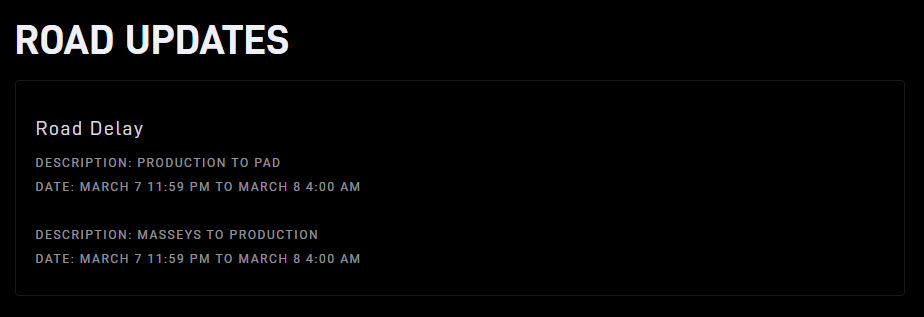
Why It Matters: These simultaneous movements are the clearest sign yet that SpaceX is converging hardware for an integrated Flight 12 stack at the upgraded Pad 2. A road closure for flight activities is already scheduled for March 8, 2026.
Source: @NASASpaceflight on X

📊 Key Figures
| Metric | Detail |
|---|---|
| Ship 39 designation | Starship V3, SN1 (first of its generation) |
| Cryo tests completed at Masseys | 3 (first on Feb 28, 2026) |
| Booster 19 designation | Super Heavy V3, Block 3 — Flight 12 |
| Raptor 3 engines (Booster 19) | 33 |
| Pad 2 full deluge test | Completed week of Feb 24, 2026 |
| Road closure (flight activities) | March 8, 2026 — 8 AM to 8 PM UTC |
What's Actually Happening at Starbase
Saturday night at Starbase wasn't quiet. NSF cameras caught two major hardware movements happening in parallel — the kind of choreography SpaceX only runs when a launch campaign is genuinely converging.
Ship 39 is the first Starship built to the V3 specification — a meaningfully upgraded vehicle compared to the ships that flew on Flights 7 through 11. It arrived at Masseys Outpost (SpaceX's dedicated pre-launch test site adjacent to Starbase) on February 26, 2026, and completed its first cryogenic pressure-proof test just two days later on February 28. By March 5, it had successfully passed a full series of three cryo-proof tests, validating the new V3 structure under flight-like thermal and pressure loads. Its return to the main Starbase production area on the night of March 7 signals that preflight testing at Masseys is complete — or very nearly so.
Booster 19 has been on a parallel track. The Block 3 Super Heavy booster — also a V3-generation vehicle — completed its own cryo testing campaign at Masseys back in early February (ambient pressure test on Feb 1, partial cryo tests Feb 2–3, full cryo tests Feb 4, 6, and 7). It then rolled back to Mega Bay 1 for the installation of its 33 Raptor 3 engines. Transporting it to Pad 2 on the night of March 7 is the next major milestone: the booster is now at the launch site, where it will be prepared for a static fire test.
Pad 2 Is Ready for This Moment
The upgraded Pad 2 at Starbase has been methodically validated over the past several weeks. SpaceX completed a full test of the water-cooled top deck on the Orbital Launch Mount (OLM) on February 16, 2026, followed by the long-awaited full deluge test during the week of February 24. These tests are critical — the deluge system protects the launch mount and vehicle from acoustic and thermal damage during ignition of 33 Raptor engines simultaneously.
With pad infrastructure validated and Booster 19 now on site, the next expected milestone is a static fire — a full or partial engine test with the booster held down on the mount. The Starbase road closure filed for March 8, 2026 (8 AM–8 PM UTC) is the kind of closure SpaceX typically requests for static fire operations, suggesting the test could come as soon as this weekend.
🔭 The BASENOR Take
Timeline: Static fire attempt likely March 8–10, 2026. Stack integration (Ship 39 on Booster 19) to follow pending static fire results.
Impact Level: 🟢 High — this is the first V3-generation full stack, representing a significant hardware upgrade over previous flights.
Confidence: High on near-term static fire. Flight 12 launch date remains subject to FAA licensing and test results.
What to Watch: Road closure activity on March 8 will be the first real indicator of static fire timing. Any anomaly during the static fire would push the Flight 12 timeline, but three clean cryo tests on Ship 39 suggest the V3 structure is performing well.
📰 Deep Dive
The simultaneous movement of both the ship and booster on the same night is a deliberate operational choice. SpaceX is clearly working to compress the timeline between hardware readiness and pad operations. The fact that Ship 39 completed three cryo-proof tests — not just one — before being returned suggests SpaceX was thorough in validating the new V3 pressure vessel design before committing the vehicle to the launch campaign.
Booster 19's journey to Pad 2 with 33 Raptor 3 engines installed is a significant moment in its own right. Raptor 3 is a substantially redesigned engine compared to Raptor 2, with SpaceX claiming improved reliability and performance through a simplified design that removes external plumbing and heat shielding in favor of internal routing. A static fire with 33 Raptor 3 engines will be the first real-world, full-scale validation of that engine generation under launch conditions.
For context on what Flight 12 is expected to demonstrate, SpaceX has been iterating on ship reuse and booster catch operations since the successful booster catches on Flights 5 and 7. Each flight has expanded the envelope. Flight 12 is expected to continue pushing toward full and rapid reusability — the core economic thesis of the entire Starship program, and the foundation of SpaceX's ambitions for Mars transit and Artemis lunar missions. You can follow our SpaceX coverage for all updates as the Flight 12 campaign progresses.
Saturday night's movements are a reminder that Starbase operates around the clock. What looks like a routine hardware transport is actually the culmination of weeks of testing, engine installation, and pad preparation — all converging on what could be SpaceX's most capable Starship flight to date.
🚀 Following the Starship program? See every test flight, official outcome and the next launch window in our SpaceX Starship Tracker.
Sources & reporting notes
The links below identify the material source records used for this report.
- @NASASpaceflight on X (2026-03-07T02:58:26.000Z) — Direct source
Source links are preserved as published or accessed. See our editorial standards and corrections policy.
The BASENOR Editorial Desk covers Tesla, SpaceX, and related technology, curating reporting from primary sources — official accounts, regulatory filings, and software release data. Every article passes source-record and fact-checking review before publication. About the newsroom.
This report was curated by the BASENOR Editorial Desk from the sources listed above. Read our editorial standards or email editorial@basenor.com to report an error.