Starship Is the Largest Flying Object Ever Built — And SpaceX Plans to Make It Even Bigger
⚡ 30-Second Brief
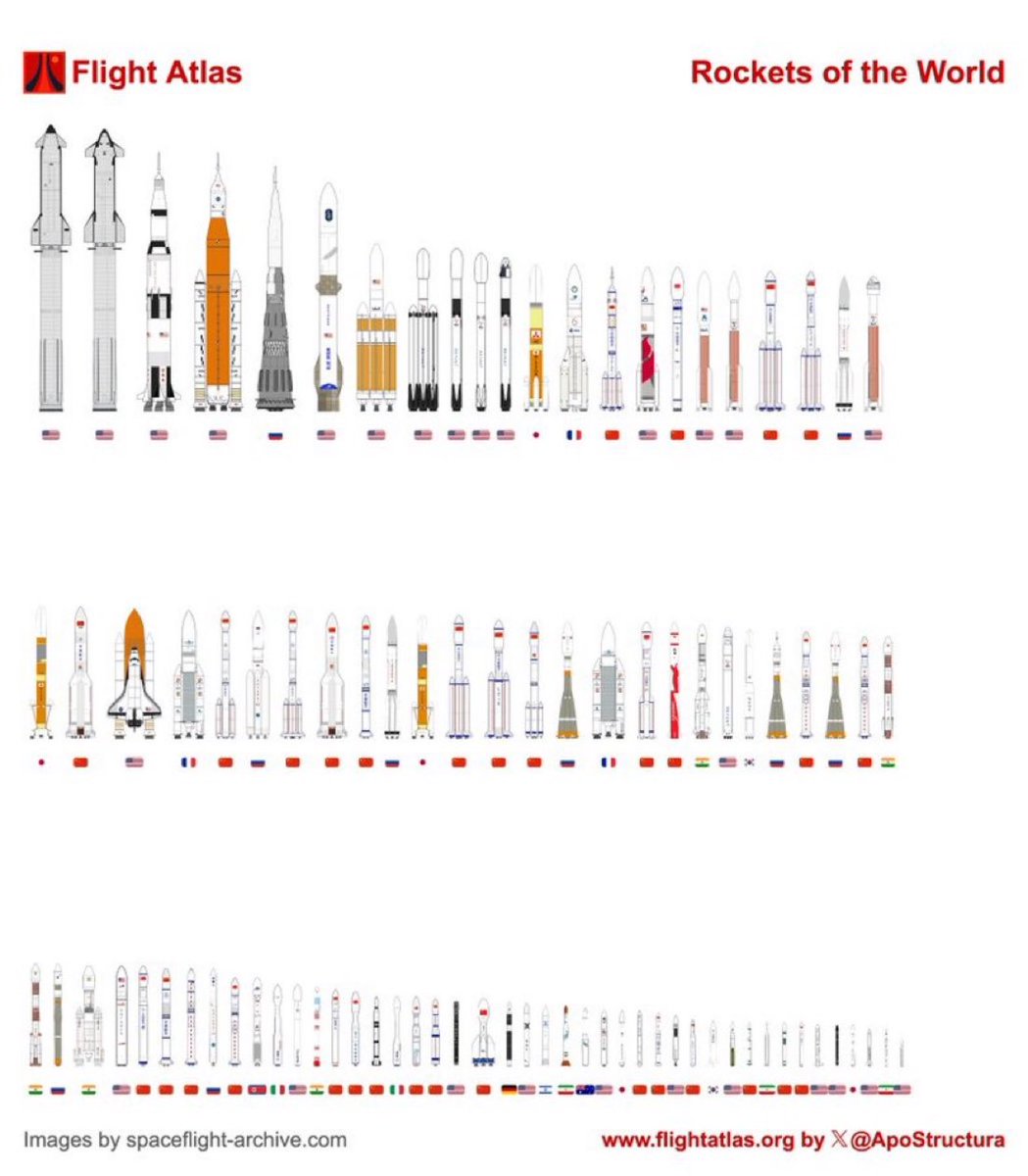
The News: Elon Musk confirmed that Starship is the largest flying object ever constructed — and that SpaceX intends to keep scaling it up.
Why It Matters: A bigger, fully reusable Starship directly accelerates Starlink megaconstellation deployments, crewed Mars missions, and the economics of getting mass to orbit — reshaping the entire space industry.
Source: @elonmusk on X, February 22 2026

📊 Key Figures
| Metric | Figure | Context |
|---|---|---|
| Full Stack Height | 123 m (403 ft) | Tallest flying vehicle in history |
| Diameter | 9 m (29.5 ft) | Uniform across full stack |
| Current Payload (V2, reusable) | ~35 metric tons to LEO | With Super Heavy booster recovery |
| Upcoming Payload (V3, reusable) | 100–150 metric tons to LEO | Fully reusable; 250t expendable |
| Future Target (Block 4) | 200 metric tons to orbit | Projected; ~2027 timeframe |
| Target Launch Cadence (2026) | ~52 launches/year | Once per week target |
| Mars Mission Probability (2026) | 50/50 chance | Uncrewed V3 vehicles with Optimus |
🔭 The BASENOR Take
Timeline
2026–2027
V3 → Block 4
Impact Level
Industry-Defining
Generational shift
Confidence
High
Confirmed by SpaceX data
Musk's statement is brief — four words, essentially — but the technical and commercial implications are enormous. Starship isn't just the biggest rocket ever built; it's being engineered as a platform, one that grows in capability with every version. That distinction matters.
📰 Deep Dive
From 35 Tons to 200: The Payload Leap Is Real
The jump from the current Starship V2's ~35 metric tons to LEO to V3's 100–150 metric tons isn't incremental engineering — it's a structural redefinition of what heavy-lift means. For context, NASA's Space Launch System (SLS) Block 1 is rated at roughly 95 metric tons to LEO in its most capable expendable configuration. A fully reusable Starship V3 matches or surpasses that on every flight, and the hardware comes back. According to SpaceX's own figures, the expendable V3 variant hits 250 metric tons — a number that has no precedent in the history of spaceflight.
The Raptor 3 engine upgrade powering V3 is central to this leap. Improvements in thrust output, combustion efficiency, and manufacturing simplification collectively drive both the performance gain and the reusability economics. Fewer parts, more thrust, lower per-flight cost — a virtuous cycle that competitors will struggle to match without a clean-sheet redesign.
What 'Continue to Grow' Actually Signals
When Musk says Starship will 'continue to grow,' the roadmap backs it up concretely. Starship Block 4 — projected around 2027 — is targeting 200 metric tons to orbit, essentially doubling current reusable capacity again. A theoretical future iteration has been discussed at up to 150 meters (500 feet) tall, optimized specifically for Mars cargo runs where raw payload mass per mission is the dominant variable. SpaceX is already building the infrastructure to support this scale: multiple launch sites and 'Giga Bay' production facilities are under active construction.
The commercial flywheel is equally important to understand. A higher-cadence, higher-capacity Starship directly compresses the cost of each Starlink satellite deployed, which funds the next iteration of Starship development. It is a self-reinforcing loop — and 2026's target of approximately one launch per week is the point at which that loop begins generating serious momentum. In-orbit refueling demonstrations, also planned for 2026 test flights, would then unlock deep-space mission profiles that are currently physically impossible for any other launch system on Earth.
The Mars Timeline: Real or Aspirational?
Musk himself assigns a 50/50 probability to a Starship Mars attempt in 2026 — an unusually candid admission of uncertainty for a program milestone. The plan, as stated, involves five uncrewed V3 vehicles carrying Optimus humanoid robots. Even if the 2026 window slips, the engineering direction is unambiguous: Starship is being built with Mars as the primary design constraint, not an afterthought. The HLS (Human Landing System) variant, under active development for NASA's Artemis program with test flights slated for 2026, demonstrates that the vehicle is simultaneously being qualified for Earth-orbital, lunar, and interplanetary mission profiles — a versatility no previous launch vehicle has achieved.
🚀 Following the Starship program? See every test flight, official outcome and the next launch window in our SpaceX Starship Tracker.
Sources & reporting notes
The links below identify the material source records used for this report.
- @elonmusk on X (2026-02-22T13:45:22.000Z) — Direct source
Source links are preserved as published or accessed. See our editorial standards and corrections policy.
The BASENOR Editorial Desk covers Tesla, SpaceX, and related technology, curating reporting from primary sources — official accounts, regulatory filings, and software release data. Every article passes source-record and fact-checking review before publication. About the newsroom.
This report was curated by the BASENOR Editorial Desk from the sources listed above. Read our editorial standards or email editorial@basenor.com to report an error.