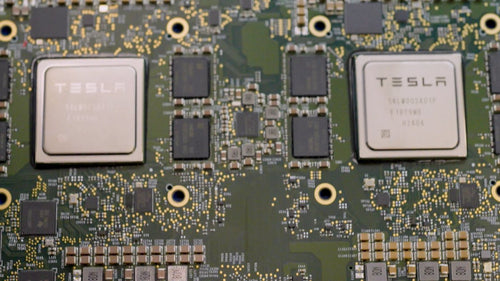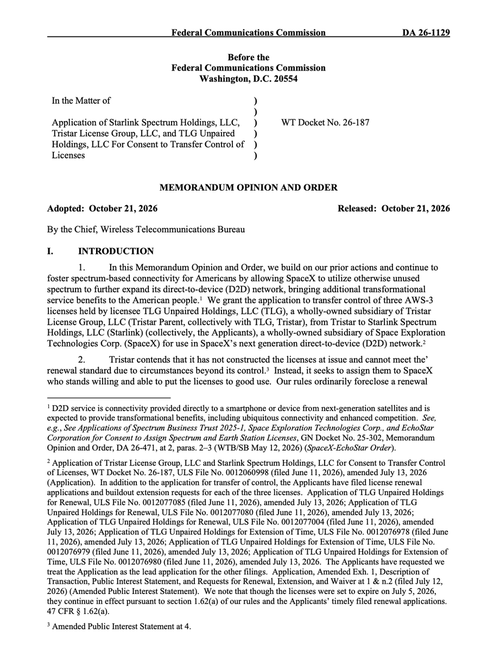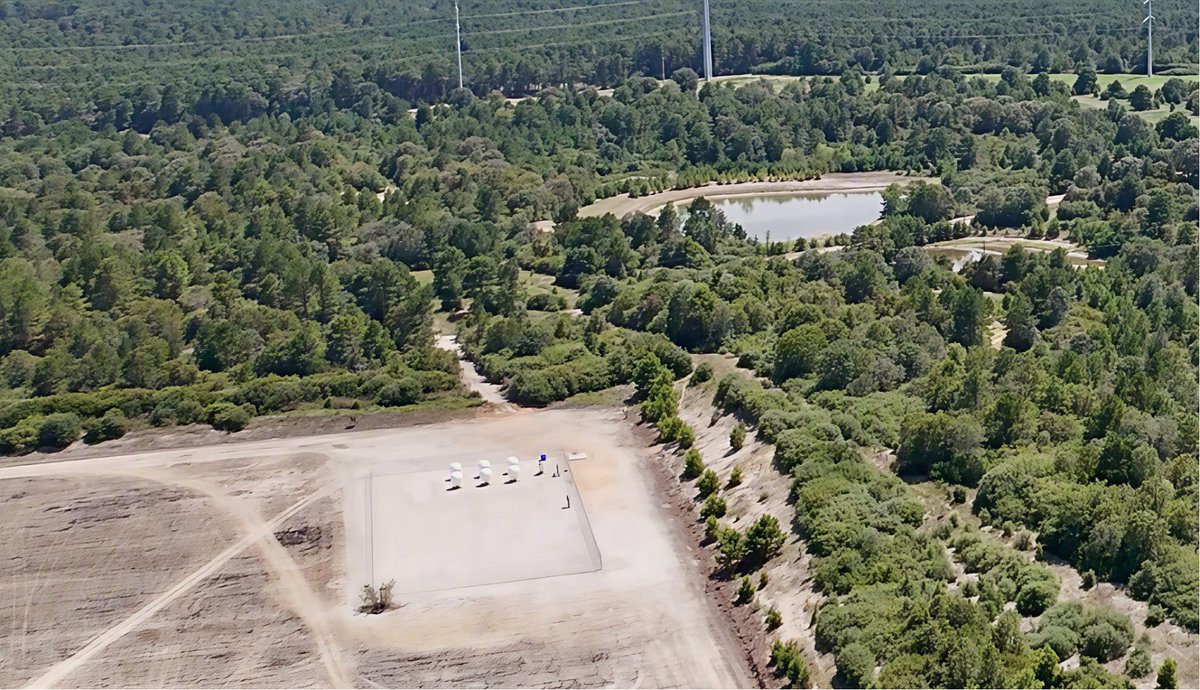
TERAFAB, the ambitious SpaceX and Tesla semiconductor and infrastructure venture, has already notched its first completed project — and it's not a chip fab. Aerospace and infrastructure tracker Joe Tegtmeyer reported on August 24 that TERAFAB has installed a Starlink ground station, the terrestrial backbone that keeps SpaceX's low Earth orbit satellite constellation connected to the internet. It's a small but telling milestone that reveals how quickly the organization is moving.

TERAFAB's Starlink Ground Station: 5 Details That Matter
1. This is TERAFAB's first completed infrastructure project
Tegtmeyer specifically noted the speed of execution — "that was fast" — flagging that the ground station installation represents TERAFAB's inaugural infrastructure milestone. According to verified reporting, TERAFAB was officially announced by Elon Musk in March 2026 and is still in early land-clearing and foundation stages at its primary Grimes County, Texas site. Completing a functional piece of SpaceX infrastructure this early signals the organization isn't waiting for the main fab to come online before putting assets to work.
2. A Starlink ground station is more than a dish farm
A Starlink ground station — also called a gateway — is a terrestrial facility housing multiple large satellite dishes. Its job is to bridge SpaceX's LEO satellite constellation to the wider internet backbone, handling the high-bandwidth uplink and downlink traffic that makes Starlink's global coverage possible. Without these gateways, the satellites overhead are essentially isolated. The more ground stations SpaceX operates, the more capacity and redundancy the network gains — particularly important as Starlink scales toward direct-to-cell and enterprise services.
3. TERAFAB's location makes it a logical Starlink hub
TERAFAB's primary campus is planned for Grimes County, Texas, northwest of Houston, with a prototype Advanced Technology Fabrication facility already underway at the Giga Texas North Campus in Austin. Both sites sit in central Texas — a region with favorable line-of-sight geometry for LEO satellite communications and existing SpaceX operational infrastructure nearby. Installing a ground station at or near a TERAFAB site also means the facility's own substantial compute and data needs can be served directly by Starlink's network, reducing dependence on third-party telecom providers.
4. The timeline context makes this notable
TERAFAB was publicly announced in March 2026. Land clearing at Grimes County was still underway as of mid-August 2026, and tool installation at the Austin prototype fab is scheduled to begin in Q3 2026. Against that backdrop, a completed, operational ground station — not a rendering, not a permit filing — is a concrete deliverable. It suggests TERAFAB is running infrastructure and communications buildout in parallel with construction, rather than sequentially, which is consistent with how SpaceX has historically approached its own launch site development.
5. It connects two of SpaceX's biggest growth bets
TERAFAB's stated purpose is to manufacture AI compute hardware — chips for Tesla Autopilot, Optimus robots, Cybercabs, and SpaceX's planned space-based data centers. Starlink, meanwhile, is SpaceX's primary revenue engine and the connectivity layer for those space-based data centers. Installing Starlink ground infrastructure as TERAFAB's first project isn't incidental — it likely reflects a deliberate strategy to ensure the facility has direct, high-bandwidth satellite connectivity from day one, both for operational use and as a proving ground for the integrated SpaceX ecosystem.
The ground station itself is a modest installation in the context of a planned 100-million-square-foot manufacturing complex, but first projects have a way of revealing organizational priorities. TERAFAB's choice to lead with Starlink infrastructure — before a single chip has been fabbed — suggests connectivity is foundational to how the facility will operate, not an afterthought. Watch for more infrastructure announcements as the Grimes County site progresses through the remainder of 2026. For more on SpaceX's expanding infrastructure footprint, see our SpaceX coverage.
Sources & reporting notes
The links below identify the material source records used for this report.
- @JoeTegtmeyer on X (2026-08-24T23:58:34.000Z) — Direct source
Source links are preserved as published or accessed. See our editorial standards and corrections policy.
The BASENOR Editorial Desk covers Tesla, SpaceX, and related technology, curating reporting from primary sources — official accounts, regulatory filings, and software release data. Every article passes source-record and fact-checking review before publication. About the newsroom.
This report was curated by the BASENOR Editorial Desk from the sources listed above. Read our editorial standards or email editorial@basenor.com to report an error.