📌 UPDATE — June 15, 2026
Tesla's Cybercab has now officially received EPA certification, confirming and expanding on the specs previously revealed in EPA documents. The certification locks in the 163 kW permanent magnet, 3-phase AC motor details and specifies the battery pack at 326V / 146Ah. Notably, the certified Equivalent All-Electric Range (EAER) comes in at 418 miles — a metric used in the certification process that typically translates to a real-world EPA range of approximately ~300 miles, slightly above the previously reported 293-mile estimate. This official certification clears a key regulatory hurdle ahead of Cybercab's commercial robotaxi rollout.

Source: @TeslaNewswire via X
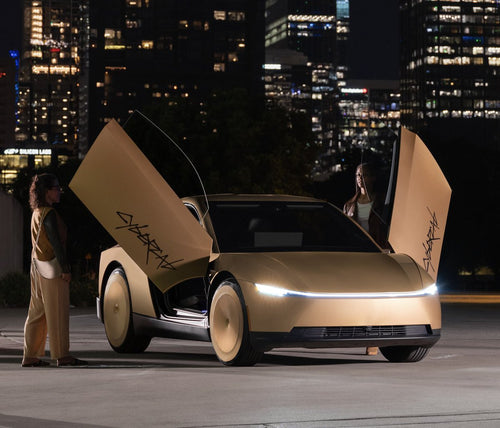
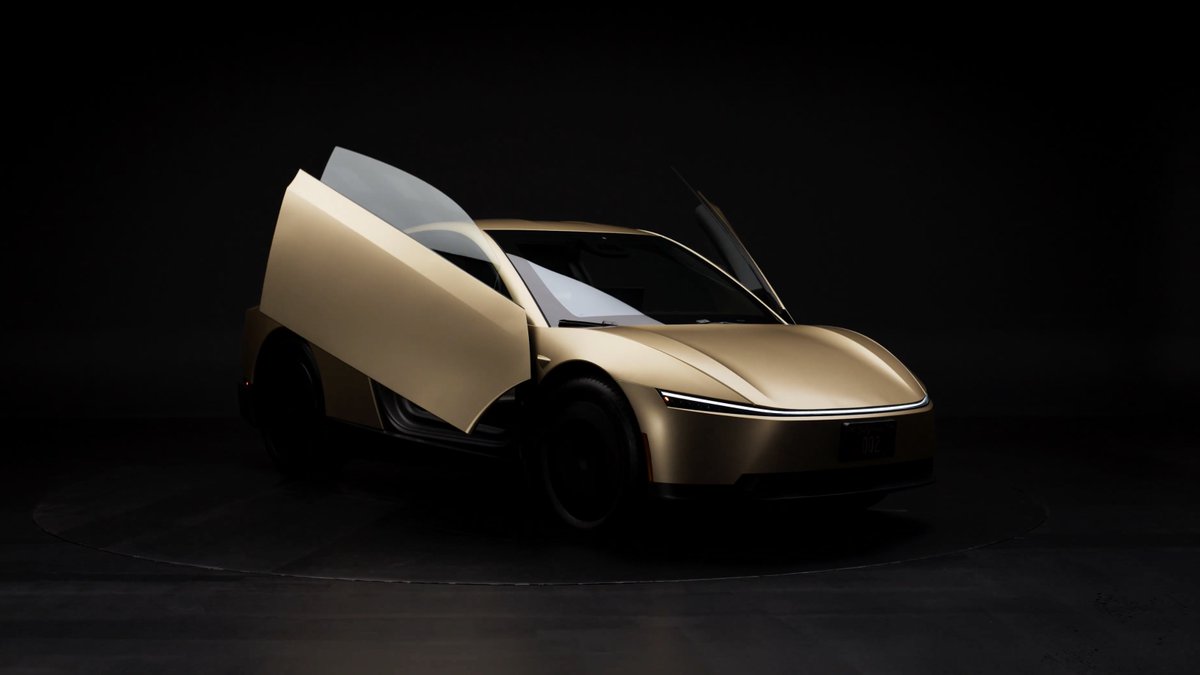
Tesla's Cybercab has been hiding in plain sight — buried in public EPA certification filings. Documents from the agency's test group TTSLV00.0L1A, certified on May 26, 2026, hand us the first hard technical data on the dedicated robotaxi. Here's what the numbers actually tell us.

EPA Certification Filing
Test Group: TTSLV00.0L1A
Certificate Issued: May 26, 2026
Introduction into Commerce: May 29, 2026
Model Year: 2026
1. Front-Wheel Drive — A Deliberate Choice
The Cybercab runs a front-mounted electric motor with a single-speed automatic and front-wheel drive. For a vehicle purpose-built around passenger comfort and autonomous efficiency rather than performance, FWD makes engineering sense: it simplifies the drivetrain, reduces weight, and lowers cost. This is a robotaxi optimized for urban miles, not a track machine.
2. 48 kWh Battery — Small Pack, Smart Packaging
The battery capacity comes in at approximately 47.6 kWh (146 Ah at 326V) — a notably compact pack by Tesla standards. The Model 3 Standard Range carries a larger usable capacity. But context matters: the Cybercab is a two-seat vehicle targeting sub-$30,000 pricing. A smaller, cheaper pack is a feature, not a limitation, especially when the efficiency numbers are this strong.
3. 219 Horsepower — Enough, Not Excessive
The motor is rated at 163 kW, translating to 219 horsepower. That's competitive with a standard Model 3 rear-wheel-drive variant. For a vehicle weighing just over 3,100 lbs, it should deliver brisk urban acceleration without the energy overhead of Tesla's higher-output motors. Robotaxi economics reward efficiency over 0-60 bragging rights.
4. 3,113 lb Curb Weight — Lighter Than You'd Expect
At 3,113 pounds, the Cybercab is meaningfully lighter than the Model Y (approximately 4,400 lbs) and even lighter than the Model 3. The GVWR is listed at 3,730 lbs, leaving roughly 617 lbs of payload capacity — comfortable for two passengers plus luggage. The lightweight construction directly feeds the efficiency story below.
5. 165 Wh/mi Efficiency — The Most Efficient EV Ever Certified
This is the headline number that deserves attention. At 165 Wh/mi, the Cybercab is certified as the most energy-efficient electric vehicle the EPA has ever processed. The total AC wall energy to fully charge is 53.365 kWh, accounting for charging losses from the 47.6 kWh usable pack. For a fleet operator running hundreds of vehicles, that efficiency delta compounds into massive operational cost savings over time.
6. ~293-Mile Adjusted Range — More Than Enough for Robotaxi Duty
The unadjusted combined range comes in at 418.2 miles, with an unadjusted highway figure of 375.4 miles. Applying the EPA's standard 0.7 correction factor yields an estimated adjusted range of approximately 293 miles. For a vehicle that will spend most of its life on urban and suburban routes — and can recharge autonomously via inductive or Supercharger infrastructure — that range is more than adequate for continuous commercial operation.
7. No Steering Wheel, No Pedals — Fully Committed to Autonomy
The EPA filing confirms what Tesla announced at the Cybercab reveal: this is a two-seat coupe with no steering wheel and no pedals. There is no hybrid human-override mode here. Tesla has designed a vehicle that legally and mechanically cannot be driven by a human, which means its commercial deployment is entirely dependent on FSD achieving the regulatory approvals needed for driverless operation. Recent drone footage from Gigafactory Texas indicates that production of steering-wheel-free units is now actively ramping.
The first production Cybercab rolled off the Gigafactory Texas line on February 17, 2026, with volume production targeted from April 2026 onward. With EPA certification secured and specs now on the public record, the remaining variable is regulatory clearance for fully driverless commercial deployment — and that clock is running.
🚕 Following the Robotaxi rollout? See every operating city, launch date and announced market in our Tesla Robotaxi Tracker.
Related Gear
Gear up your Tesla with tested, custom-fit BASENOR accessories — shop Tesla accessories →
Sources & reporting notes
The links below identify the material source records used for this report.
- @SawyerMerritt on X (2026-06-15T17:55:52.000Z) — Direct source
- @TeslaNewswire on X (2026-06-15T19:11:53.000Z) — Direct source
Source links are preserved as published or accessed. See our editorial standards and corrections policy.
The BASENOR Editorial Desk covers Tesla, SpaceX, and related technology, curating reporting from primary sources — official accounts, regulatory filings, and software release data. Every article passes source-record and fact-checking review before publication. About the newsroom.
This report was curated by the BASENOR Editorial Desk from the sources listed above. Read our editorial standards or email editorial@basenor.com to report an error.