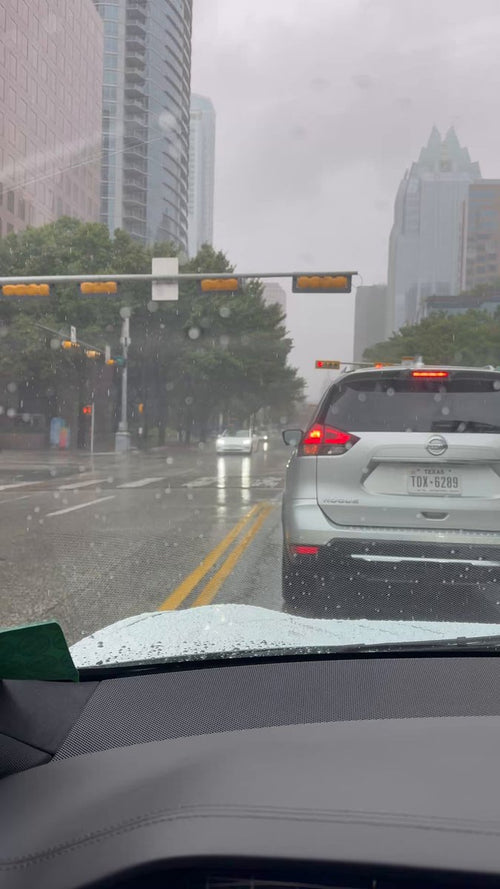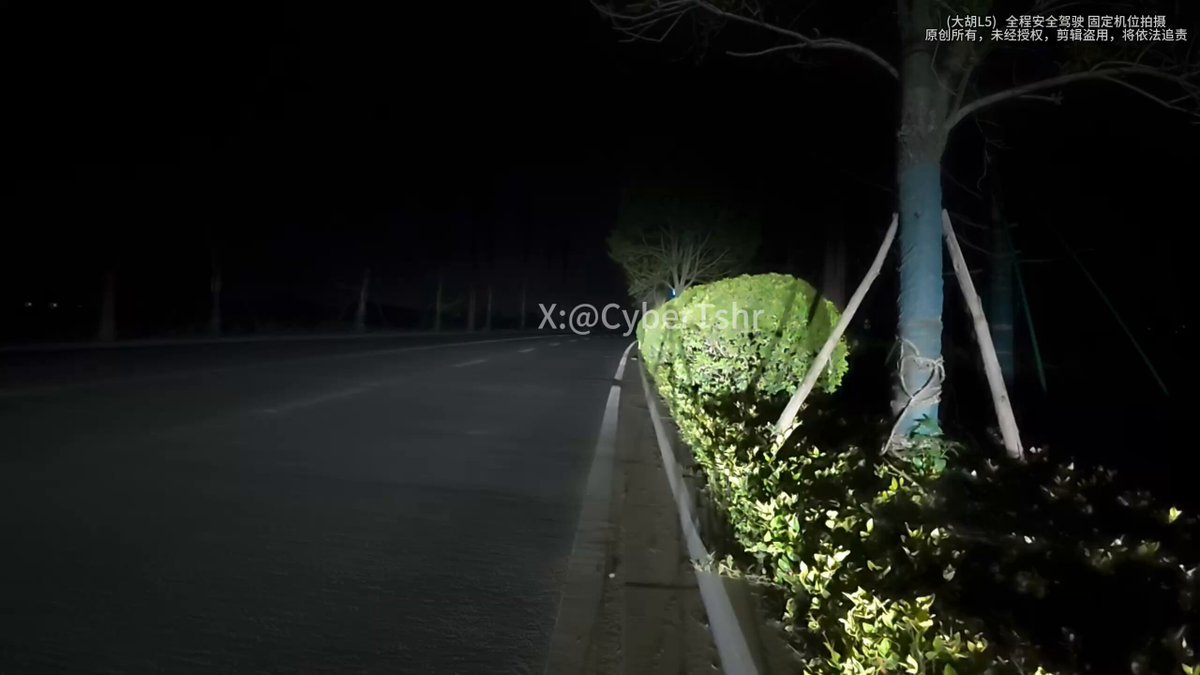
Tesla's Full Self-Driving system is drawing fresh attention for how well it handles darkness. Whole Mars Catalog, one of the more prolific FSD testers on X, posted a video overnight calling the low-light performance 'incredible' — and the clip backs it up.

The timing is no coincidence. According to release notes for FSD (Supervised) v14.3.3, shipped as part of software update 2026.14.6.7, Tesla specifically upgraded the neural network vision encoder to improve understanding in 'rare and low-visibility scenarios' and to strengthen 3D geometry comprehension. That's the engine doing the heavy lifting when your cameras are fighting against darkness, rain, or glare. The same update also logged a 20% faster reaction time, attributed to a full rewrite of the AI compiler and runtime using MLIR.
Low-light capability has long been a pressure point for camera-only autonomous systems. Without lidar or radar as a fallback, the vision stack has to be genuinely robust when photons are scarce. The v14.3.3 improvements suggest Tesla's neural net is getting meaningfully better at extracting useful geometry from underlit scenes — something that matters every single night drive. For owners already running FSD, this is a quiet but real upgrade to everyday usability, not just a benchmark win.
📋 Tracking Tesla software? See every firmware, FSD and app version in one place in our Tesla Software Update Tracker.
Related Gear
Gear up your Tesla with tested, custom-fit BASENOR accessories — shop Tesla accessories →
Sources & reporting notes
The links below identify the material source records used for this report.
- @wholemars on X (2026-06-04T04:44:56.000Z) — Direct source
Source links are preserved as published or accessed. See our editorial standards and corrections policy.
The BASENOR Editorial Desk covers Tesla, SpaceX, and related technology, curating reporting from primary sources — official accounts, regulatory filings, and software release data. Every article passes source-record and fact-checking review before publication. About the newsroom.
This report was curated by the BASENOR Editorial Desk from the sources listed above. Read our editorial standards or email editorial@basenor.com to report an error.