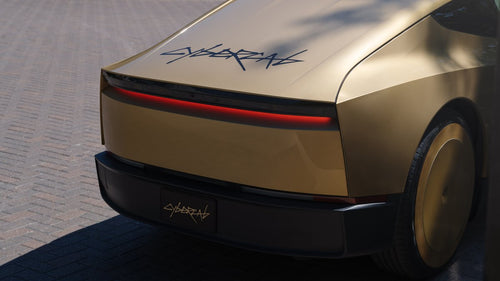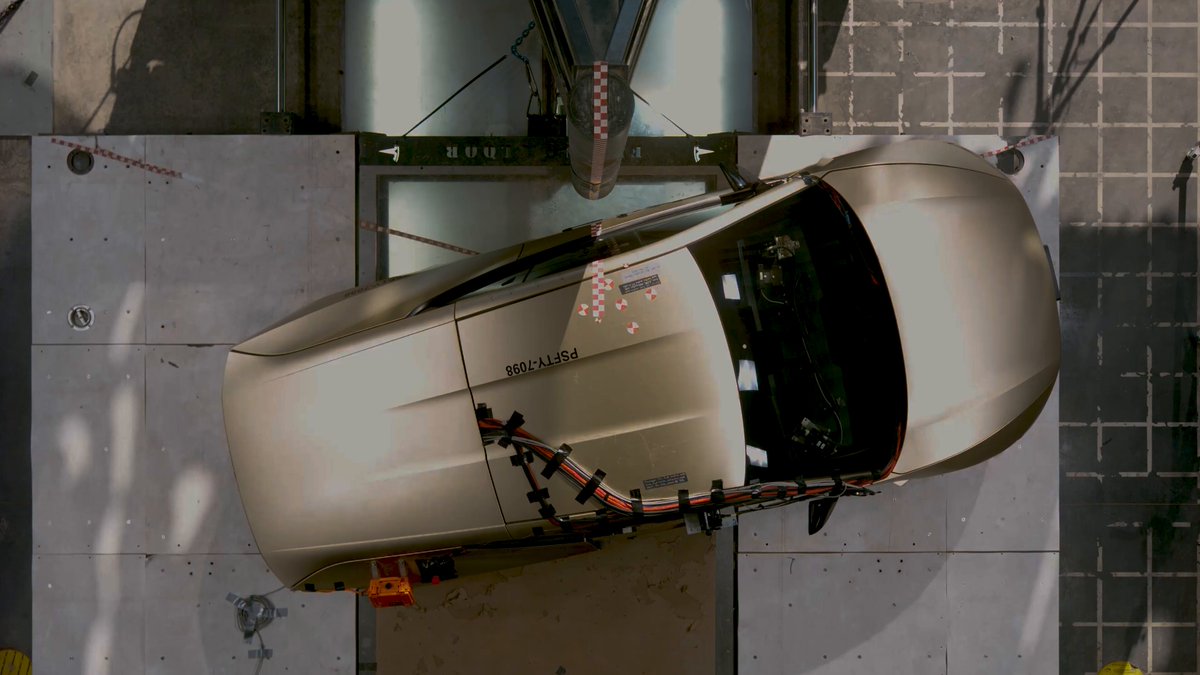
Tesla made a pointed statement on Thursday evening: the Cybercab is engineered to be the safest car on the road. It's a bold claim — and a deliberate one, given that the autonomous robotaxi will eventually carry passengers with no human driver as a fallback.

The framing matters. Tesla isn't saying the Cybercab passed a safety test — it's saying safety is a foundational engineering principle for the vehicle. For a robotaxi that will operate without a steering wheel or pedals, that positioning is as much about public trust as it is about hardware. Regulators, insurers, and prospective riders will all be watching how Tesla backs up that claim with real-world performance data once commercial operations begin.
How Tesla ultimately defines and demonstrates that safety standard — through autonomous miles logged, disengagement rates, or independent crash testing — will be the story worth following as the Cybercab moves closer to full public deployment.
🚕 Following the Robotaxi rollout? See every operating city, launch date and announced market in our Tesla Robotaxi Tracker.
Related Gear
Gear up your Tesla with tested, custom-fit BASENOR accessories — shop Tesla accessories →
Sources & reporting notes
The links below identify the material source records used for this report.
- @Tesla on X (2026-09-03T22:59:50.000Z) — Direct source
Source links are preserved as published or accessed. See our editorial standards and corrections policy.
The BASENOR Editorial Desk covers Tesla, SpaceX, and related technology, curating reporting from primary sources — official accounts, regulatory filings, and software release data. Every article passes source-record and fact-checking review before publication. About the newsroom.
This report was curated by the BASENOR Editorial Desk from the sources listed above. Read our editorial standards or email editorial@basenor.com to report an error.