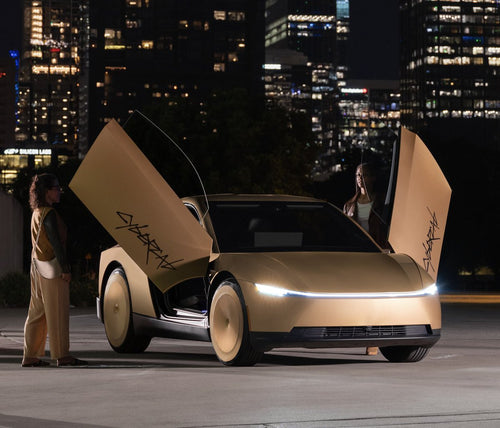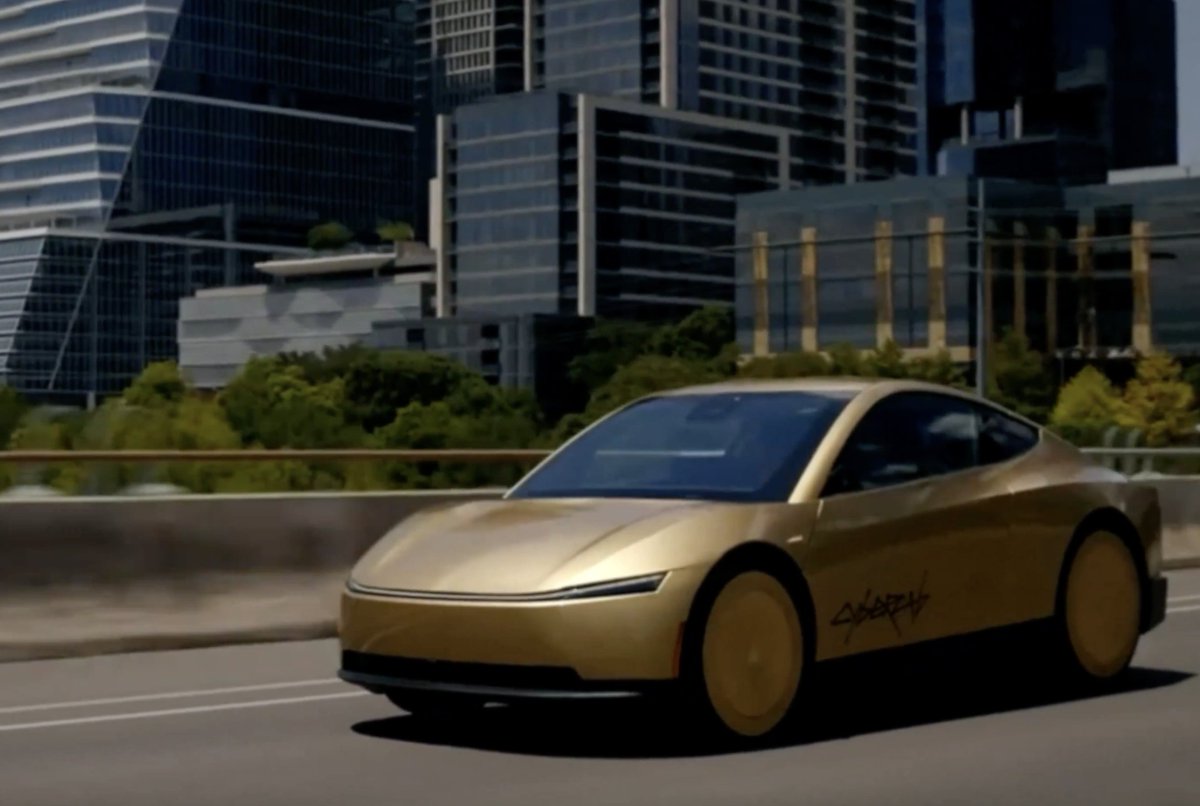
EPA certification documents filed in May 2026 have surfaced official curb weights for the lightest trim of every Tesla vehicle in the current lineup — including the Cybercab, whose specs had been largely unconfirmed until now. The numbers tell a clear story about how radically different each vehicle is in its engineering priorities, from a 3,113-lb autonomous two-seater to a 40,000-lb-class commercial hauler.

Every Tesla, Ranked Lightest to Heaviest
1. Cybercab — 3,113 lbs (1,412 kg)
The most striking number on the list. At 3,113 lbs, the Cybercab is nearly 650 lbs lighter than the base Model 3 — remarkable given it still carries a roughly 47.6 kWh battery pack. According to EPA certification documents filed May 21, 2026, the Cybercab runs a single front-mounted 163 kW (219 HP) AC permanent magnet motor in a front-wheel-drive configuration. That weight advantage, combined with its certified efficiency of 165 Wh/mi, makes it reportedly the most efficient EV ever produced. Tesla's two-passenger, no-steering-wheel design strips out a significant amount of traditional vehicle hardware, and the weight spec confirms that philosophy is paying off in measurable ways.
2. Model 3 RWD — 3,757 lbs (1,705 kg)
The base Model 3 remains the lightest conventional Tesla you can buy today. At 3,757 lbs, it sits in a competitive weight class for a mid-size sedan with a full battery pack. The rear-wheel-drive configuration keeps the drivetrain simple, and the Highland refresh didn't substantially change the weight profile. For most owners, this is still the benchmark for Tesla efficiency in a four-door package.
3. Model Y RWD — 4,061 lbs (1,842 kg)
The Model Y adds roughly 300 lbs over the Model 3 in its lightest form — the expected cost of a larger body, higher roofline, and additional cargo capacity. At 4,061 lbs, the base RWD Juniper-generation Model Y is still competitive for a compact SUV. The weight difference between the Model 3 and Model Y is smaller than many owners assume, which helps explain why the Y's range and efficiency figures are closer to the 3 than the size gap might suggest.
4. Model S AWD — 4,561 lbs (2,069 kg)
The flagship sedan's lightest version comes in at 4,561 lbs — heavier than the Model Y despite being a lower-profile car. The dual-motor AWD setup (there is no RWD Model S) accounts for part of that, as does the larger battery pack required to deliver the Model S's range and performance targets. It's a reminder that premium engineering in EVs often trades weight efficiency for capability.
5. Model X AWD — 5,152 lbs (2,337 kg)
Add the Falcon Wing doors, a third-row seat structure, and a larger chassis to the Model S platform, and you arrive at 5,152 lbs for the lightest Model X. That's over a full ton heavier than the Model 3. The Model X is a genuine full-size SUV, and its weight reflects that. Owners should factor this into tire wear expectations and charging efficiency, particularly on longer routes.
6. Cybertruck AWD — 6,537 lbs (2,966 kg)
The Cybertruck's stainless steel exoskeleton and truck-grade structure push the base AWD variant to 6,537 lbs according to the source data — though EPA documents for the 2026 model year list the base curb weight at approximately 6,634 lbs depending on configuration. Either way, it's the heaviest passenger vehicle Tesla sells, and owners in jurisdictions with weight-based registration fees or bridge restrictions should be aware of where it sits. The structural rigidity that makes the Cybertruck unique comes with a real mass penalty.
7. Tesla Semi Standard Range — ~20,000 lbs (~9,072 kg)
The Semi exists in a different category entirely. At approximately 20,000 lbs, the Standard Range variant's curb weight is what the industry calls the tractor unit weight — the cab alone, before any trailer is attached. A fully loaded Semi combination can reach 82,000 lbs under federal limits. For context, the Semi weighs roughly six Cybercabs. Its weight is a function of the heavy-duty frame, multiple drive motors, and the large battery pack needed to haul freight at highway speeds.
What the Numbers Actually Mean
The Cybercab's weight is the standout data point here. EPA certification documents confirm it entered commerce on May 29, 2026, with mass production having started at Gigafactory Texas in April. A vehicle that weighs less than a 2026 Honda Civic while delivering an estimated 280-300 miles of real-world range and 165 Wh/mi efficiency is a meaningful engineering achievement — and it sets a new baseline for what purpose-built autonomous EVs can look like when designers aren't constrained by traditional vehicle architecture.
For owners of existing models, the weight ladder also has practical implications: heavier vehicles consume more energy per mile, wear tires faster, and require more braking distance. If you're cross-shopping within the Tesla lineup, the ~300 lb gap between Model 3 and Model Y is worth keeping in mind alongside range specs when making your decision.
🚕 Following the Robotaxi rollout? See every operating city, launch date and announced market in our Tesla Robotaxi Tracker.
Related Gear
Gear up your Tesla with tested, custom-fit BASENOR accessories — shop Tesla accessories →
Sources & reporting notes
The links below identify the material source records used for this report.
- @SawyerMerritt on X (2026-06-15T18:36:50.000Z) — Direct source
Source links are preserved as published or accessed. See our editorial standards and corrections policy.
The BASENOR Editorial Desk covers Tesla, SpaceX, and related technology, curating reporting from primary sources — official accounts, regulatory filings, and software release data. Every article passes source-record and fact-checking review before publication. About the newsroom.
This report was curated by the BASENOR Editorial Desk from the sources listed above. Read our editorial standards or email editorial@basenor.com to report an error.