Tesla has secured a $225 million Megapack contract to build the second stage of a major grid-scale battery in South Australia, deepening a partnership with French renewables developer Neoen that now spans a dozen projects and more than two gigawatts of installed or under-construction capacity across the country.
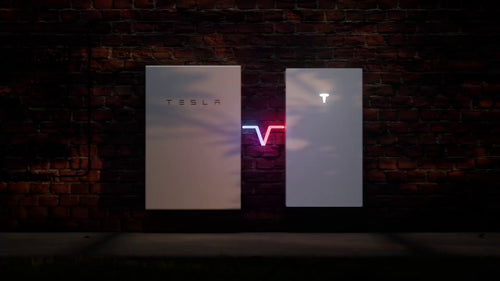
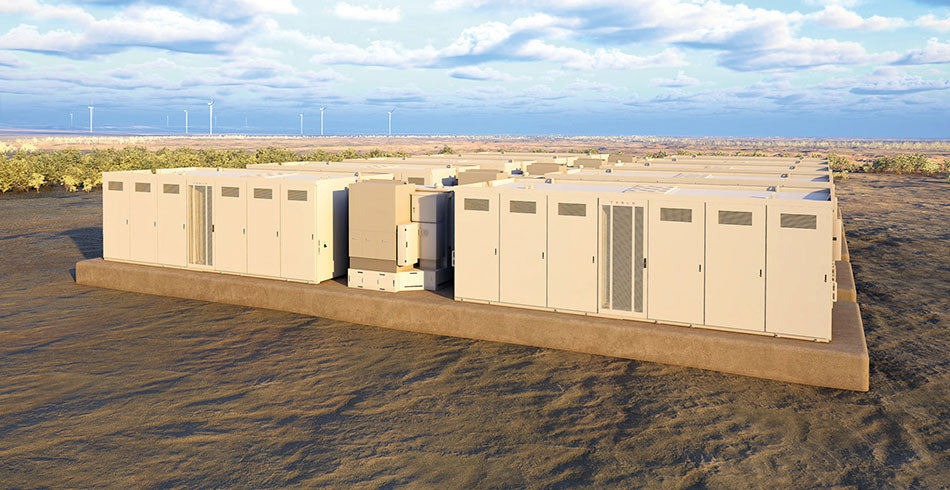
The deal, disclosed on July 29, covers Stage 2 of the Goyder Battery in South Australia's Mid North region. It also marks one of the first major deployments of Tesla's newly introduced Megablock architecture — a pre-engineered unit that combines four Megapack 3 systems into a single 20 MWh block designed to shorten construction time and reduce site costs.

The Deal in Numbers
According to energy-storage.news and Renew Economy, Stage 2 of the Goyder Battery will deliver 227 MW / 907 MWh of grid-forming capacity. Combined with Stage 1, the completed project will reach 454 MW / 1,814 MWh — roughly doubling the site's footprint.
| Metric | Value |
|---|---|
| Contract value | $225 million |
| Goyder Stage 2 capacity | 227 MW / 907 MWh |
| Goyder total (Stage 1 + 2) | 454 MW / 1,814 MWh |
| Tesla batteries with Neoen in AU | 12 |
| Combined Neoen–Tesla AU capacity | Beyond 2 GW |
| Neoen AU total (operating + under construction) | 2.7 GW / 9.1 GWh |
UGL will deliver balance of plant, high-voltage infrastructure, and commissioning support. Both Goyder stages are underwritten by 15-year capacity contracts awarded through South Australia's inaugural Firm Energy Reliability Mechanism (FERM) tender, according to Renew Economy. Site works are expected to commence in August 2027, with commercial operation anticipated in 2028.
Why the Megablock Matters
Goyder Stage 2 is one of the earliest large-scale showcases for Tesla's Megablock architecture, unveiled earlier this year. Rather than shipping and wiring individual Megapack units on site, the Megablock arrives as a factory-integrated cluster of four Megapack 3 systems delivering 20 MWh per block. Tesla's pitch is straightforward: fewer connections, shorter commissioning windows, and lower labor cost per megawatt-hour installed.
For a project the size of Goyder Stage 2 — nearly a gigawatt-hour on its own — those efficiencies compound quickly. If the Megablock format performs as advertised, it also sets a template Tesla can push into future Neoen tenders and, more broadly, into the utility-scale procurement pipeline where competitors like BYD, CATL, and Fluence have been aggressive on price.
The Neoen Relationship, in Context
Neoen has been Tesla's most prolific grid-storage customer in Australia since the original Hornsdale Power Reserve — the 2017 project that put Megapack's predecessor on the global map. This is the 12th Tesla-supplied battery in Neoen's Australian portfolio, and it lands just months after site works began in April 2026 on the Muchea Battery in Western Australia, a $250 million AUD project deploying 252 Megapack 2XL units for 164 MW / 905 MWh of six-hour storage.
Neoen has said its total Australian storage capacity in operation or under construction now stands at 2.7 GW / 9.1 GWh, per company disclosures cited by pv-magazine. The 2 GW figure Neoen highlighted specifically refers to the portion built with Tesla — a milestone that underscores how concentrated Australia's utility-scale storage market has become around this single supplier–developer pairing.
What to Watch Next
Three signals worth tracking from here:
- Megablock deployment cadence. Goyder Stage 2 is a real-world stress test. If installation timelines beat previous Megapack builds, expect Tesla to lean harder on the format in upcoming tenders.
- FERM tender momentum. South Australia's capacity mechanism is designed to keep incentivizing long-duration storage. More FERM-backed awards could follow, and Neoen has clearly positioned itself to compete.
- Tesla Energy's disclosed backlog. Tesla has repeatedly flagged energy storage as its fastest-growing segment. Multi-hundred-million-dollar contracts like this one feed directly into that story, and investors will be watching for how much of the 2026–2027 pipeline is now spoken for.
For Tesla Energy, the Goyder deal is less about any single project and more about the pattern: recurring customer, larger stages, newer hardware, and a market — Australia — that has effectively become a proving ground for what utility-scale storage looks like at gigawatt scale.
Related Gear
Gear up your Tesla with tested, custom-fit BASENOR accessories — shop Tesla accessories →
Sources & reporting notes
The links below identify the material source records used for this report.
- @SawyerMerritt on X (2026-07-29T15:49:33.000Z) — Direct source
Source links are preserved as published or accessed. See our editorial standards and corrections policy.
The BASENOR Editorial Desk covers Tesla, SpaceX, and related technology, curating reporting from primary sources — official accounts, regulatory filings, and software release data. Every article passes source-record and fact-checking review before publication. About the newsroom.
This report was curated by the BASENOR Editorial Desk from the sources listed above. Read our editorial standards or email editorial@basenor.com to report an error.