📌 UPDATE — April 18, 2026
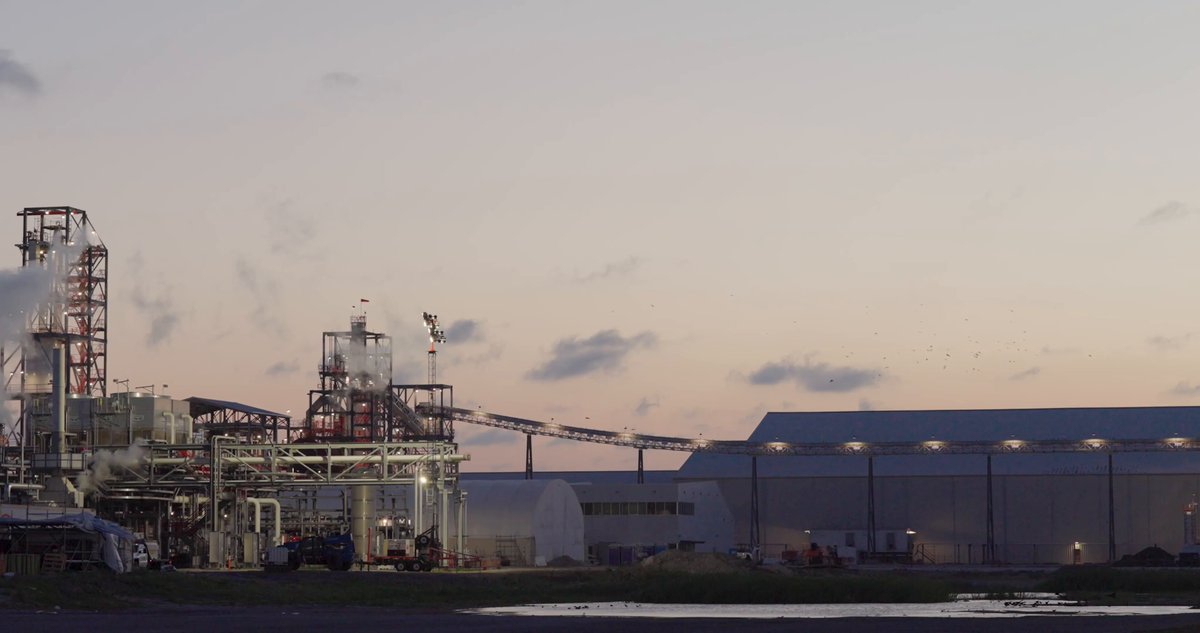
Elon Musk confirmed on X that Tesla engineering has gone beyond incremental improvements — the team has redesigned lithium refining from physics first principles, signaling a more fundamental rethink of the process than previously disclosed. While Tesla's refinery was already known for its acid-free and closed-loop water approach, this announcement suggests the underlying refining chemistry and process architecture itself has been overhauled. The post, which linked to what appears to be a video walkthrough, has already surpassed 1.3 million views, indicating significant industry attention. Full technical details of the first-principles redesign have not yet been publicly documented. 🔍

30-Second Brief
The News: Tesla's North America account detailed the sustainable design principles behind its Lithium Refinery, highlighting a lower carbon footprint than traditional hard rock refining methods.
Why It Matters: Tesla's battery supply chain is a critical cost and sustainability lever — a cleaner, closed-loop refinery strengthens both the environmental case for EVs and Tesla's long-term materials independence.
Source: @tesla_na on X
Tesla's Lithium Refinery Is Designed to Close the Loop — Here's What That Means
Tesla's Lithium Refinery isn't just a supply chain asset — it's a statement about how the company believes battery-grade lithium should be produced. In a post from the official Tesla North America account, the company outlined three core design principles that set the refinery apart from conventional hard rock lithium operations: a significantly reduced carbon footprint, acid-free processing, and a closed-loop water system.

📊 Key Design Principles
| Design Feature | What It Means |
|---|---|
| Lower Carbon Footprint | Designed to emit significantly less CO₂ than conventional hard rock lithium refineries |
| Acid-Free Refining | Avoids harsh acid processes, producing safer co-products that are easier to handle and dispose of |
| Closed-Loop Water System | Every drop of water used in production is treated and cleaned on-site before being recycled back into the process |
🔭 The BASENOR Take
Timeline: Refinery design announced publicly — April 2026
Impact Level: 🟡 Medium-term — supply chain and sustainability implications, not an immediate owner-facing change
Confidence: High — sourced directly from Tesla's official North America account
The lithium refining stage has historically been one of the dirtiest parts of the EV supply chain. Traditional hard rock processing is energy-intensive and typically relies on strong acids, generating hazardous waste streams that require careful management. Tesla's decision to engineer around those constraints from the ground up — rather than retrofitting an existing process — is the more significant detail here.
The acid-free refining approach is particularly notable. Conventional lithium hydroxide production often uses sulfuric acid, which creates sulfate byproducts that must be neutralized and disposed of. A process that avoids this entirely doesn't just reduce environmental liability — it simplifies the overall production chain and potentially reduces operating costs at scale.
The closed-loop water system signals that Tesla engineered this facility with regulatory and community scrutiny in mind. Lithium refining's water usage has been a flashpoint in regions like South America's Lithium Triangle. Demonstrating that every liter is treated on-site before reuse is both an environmental commitment and a strategic hedge against future water-use regulations.
📰 Deep Dive
Tesla's vertical integration strategy has always aimed to reduce dependency on external suppliers while controlling quality and cost. The Lithium Refinery is a direct extension of that logic — by refining its own battery-grade lithium, Tesla gains visibility and control over one of the most critical and volatile inputs in EV manufacturing. The sustainability design isn't incidental; it's a competitive differentiator as automakers face increasing pressure from regulators and investors to clean up their supply chains.
The emphasis on co-product safety is also worth noting. In traditional refining, the byproducts of lithium processing can be problematic — requiring costly disposal or treatment. An acid-free process that yields safer co-products opens the door to those materials being sold or repurposed, turning a waste management cost into a potential revenue stream. Tesla hasn't specified what those co-products are, but the framing suggests they've thought beyond just the lithium output.
For Tesla owners, the immediate impact is indirect but meaningful. A more stable, lower-cost lithium supply chain supports Tesla's ability to maintain competitive vehicle pricing and battery pack production volumes. Longer term, a refinery designed to meet the toughest environmental standards positions Tesla well as battery supply chain scrutiny — from regulators, fleet buyers, and consumers — continues to intensify across the industry.
Related Gear
Gear up your Tesla with tested, custom-fit BASENOR accessories — shop Tesla accessories →
Sources & reporting notes
The links below identify the material source records used for this report.
- @tesla_na on X (2026-04-18T00:50:12.000Z) — Direct source
- @elonmusk on X (2026-04-18T01:10:49.000Z) — Direct source
Source links are preserved as published or accessed. See our editorial standards and corrections policy.
The BASENOR Editorial Desk covers Tesla, SpaceX, and related technology, curating reporting from primary sources — official accounts, regulatory filings, and software release data. Every article passes source-record and fact-checking review before publication. About the newsroom.
This report was curated by the BASENOR Editorial Desk from the sources listed above. Read our editorial standards or email editorial@basenor.com to report an error.